
You’ve probably noticed it too. More people talking about “going analog,” filling tote bags with journals and yarn instead of phones and tablets, and seeking hobbies that don’t involve a screen or an algorithm. Analog hobbies are all the rage and we’re here to help you get on the craft wagon!
In 2026, searches for analog hobbies have surged, and craft retailers are reporting big jumps in interest for hands-on projects. People aren’t just doing a weekend digital detox — they’re looking for activities that feel real, finished, and theirs.
Crafting sits right in the middle of that shift. Whether it’s stenciling a tote, embroidering a design, or making something with your own hands in a workshop, the process itself becomes the point. No notifications. No infinite scroll. Just you, the materials, and a tangible result.
Why the Analog Hobbies Push Is Happening Now
Two big forces are colliding: screen fatigue and AI fatigue. After years of constant connectivity and now generative tools that can produce text, images, and ideas in seconds, a lot of people are craving the opposite — slow, imperfect, physical creation.
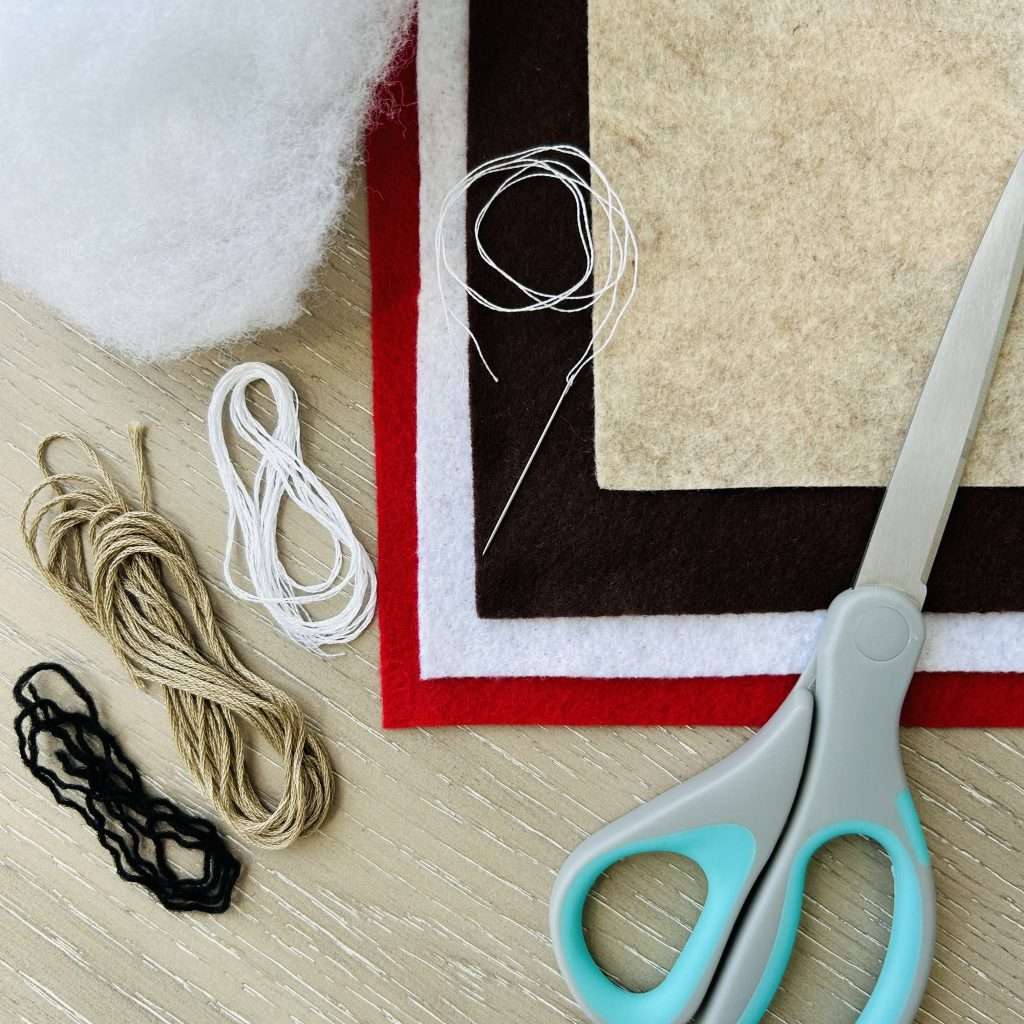
Retail data backs it up. According to Michaels, searches for analog hobbies on its site rose 136% over a recent six-month period. The company also reported sharp growth in yarn-kit searches in 2025 and an 86% increase in guided craft-kit sales that year, with further growth expected.
The activities that are rising fastest tend to be the ones that keep your hands busy and give you something you can hold when you’re done.
Why Crafting Works Especially Well for Analog Hobbies
Crafting checks almost every box people say they want from analog activities:

- It requires presence. You can’t half-scroll while you’re aligning a stencil or following a stitch.
- It has a clear ending. You finish a project. That sense of completion is rare online.
- It’s flexible. You can do it alone for quiet focus or in a group for connection.
- The result is physical. A finished piece of apparel, a decorated item, or a handmade gift exists in the real world.
What Counts as an Analog Hobby?
Analog hobbies are activities that don’t require a screen and typically involve using your hands, your creativity, or your attention in a tangible way. Some popular examples include:
- Knitting, sewing and punch needle
- Glass etching
- Painting, stenciling and drawing
- Scrapbooking and journaling
- Woodworking
- Cookie decorating
- Bath bomb making
Practical Ways to Start (or Go Deeper)
You don’t need a full studio to begin. A few accessible entry points:

- Build a simple “analog bag” with a small project kit, scissors, and one unfinished piece so it’s ready when the urge to scroll hits.
- Try short, finishable projects first (a stenciled pouch, a cork coaster, a simple embroidered patch). Momentum matters more than perfection.
- Join or host a low-pressure making session. Shared crafting removes the isolation that pure solo screen time often creates.
- Treat it as a practice rather than a productivity project. The goal is the process and the presence, not Instagram-ready output.
For people who want guidance or community, structured workshops remove the “where do I even start?” barrier and turn the activity into something social.
The Quieter Benefits People Notice From Analog Hobbies
Regular makers often mention the same things: better focus afterward, a greater sense of calm, and a stronger sense of agency. Creating something tangible counters the passive consumption loop. You leave the session with proof that you spent the time on purpose.

Research published in Frontiers in Public Health found that people who participate in arts and crafts report greater happiness, life satisfaction, and a sense that life is worthwhile. Read the study on the benefits of arts and crafting.
Start Your Analog Journey
The analog shift isn’t about rejecting technology. It’s about choosing when and how you engage with it — and reclaiming time for activities that feel human-scale.
Crafting is one of the most practical, satisfying ways to do that. Whether you pick up a small project at home or join others in a workshop, the act of making with your hands offers something screens rarely can: a clear beginning, a real middle, and a finished piece you can hold.

If you’re curious to try it in a guided setting, we run hands-on workshops designed exactly for this. Instead of another night spent scrolling, gather your friends and make something together!
We’re a mobile craft studio, so we can come to your home, workplace, community center, you name it! So invite your friends and host an analog craft night taught by one of our instructors or join us at one of our public classes in the phoenix metro area.
